Artificial intelligence (AI) is moving faster than ever before, reshaping our lives and introducing technologies that were once the stuff of science fiction. From driverless cars to Elon Musk’s latest venture into home robots with the Optimus, we are witnessing a revolution in how AI impacts daily life. But what comes next?
Optimus Revolutionising the Home
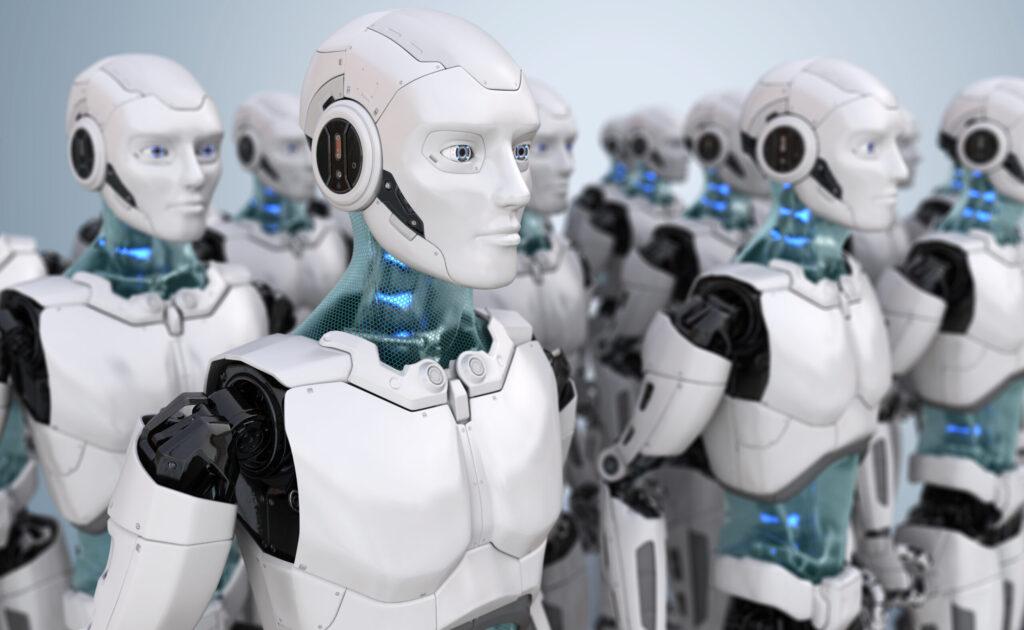
Elon Musk is no stranger to ambitious projects, and his latest innovation — the Optimus robot — aims to transform how we think about household tasks. Launched in October 2024, Optimus is designed to be a humanoid robot capable of performing everyday duties like cooking, cleaning, and even caregiving. But what truly sets it apart is its accessibility. Musk has revealed that Optimus could be priced between $20,000 and $30,000, making it far more affordable than many predicted and within reach of a broader consumer base.
At Tesla’s recent “We, Robot” event, this groundbreaking technology was showcased alongside other AI-driven innovations like the Robovan and Robotaxi, promising to change urban transportation with their blend of efficiency and style. Musk has been clear: the Optimus robot could revolutionise the world, starting right in our homes.
Driverless Cars The Present and Future of Transportation
Alongside home robots, autonomous vehicles are fast becoming a reality. Driverless cars have rapidly advanced over the last few years, thanks to developments in AI, machine learning, and sensor technologies. Companies like Tesla, Waymo, and Cruise have been testing self-driving cars in major cities, with many experts predicting that autonomous vehicles will dominate roads in the near future.
These vehicles are not just about convenience. They have the potential to reshape industries, reducing road accidents and changing the way we approach transportation altogether. By eliminating the need for human drivers, these cars could significantly improve safety and efficiency on the roads, with AI making split-second decisions faster than any human could.
In fact, driverless technology is already proving successful. For example, Waymo’s autonomous taxis are currently in operation in cities like Phoenix, Arizona, with zero driver intervention in the majority of their rides. Tesla’s Full-Self Driving (FSD) software is also progressing steadily, and the company plans to roll out fully autonomous rides in the coming years.
What’s Next for AI?
With home robots and autonomous cars making waves, it’s hard not to wonder what could be next in the AI revolution. One area that’s quickly emerging is AI-powered healthcare. Medical AI is already being used to assist with diagnosis and surgery, but future developments could see AI taking on even more direct roles in patient care. Robotic nurses, for instance, could assist with routine tasks in hospitals or even in patients’ homes, providing care around the clock.
AI in education is another possibility. Personalised AI tutors could adapt learning materials to suit individual students, making education more accessible and effective. AI could also help teachers with grading, lesson planning, and administrative tasks, freeing up more time for direct engagement with students.
Endless Possibilities
The advancements in AI we’re seeing today are just the beginning. With robots like Optimus and driverless cars already on the horizon, it’s clear that the world is changing at an unprecedented pace. According to Musk, the Optimus robot has the potential to be as widespread as the smartphone, and as the cost comes down and the technology improves, we may soon live in a world where robots are as common in our homes as our phones.
As AI continues to evolve, there will undoubtedly be new challenges to face — from ethical concerns to job displacement. However, the future of AI is bright, filled with possibilities that could reshape the way we live and work.
So, what’s next? Could we see AI transforming healthcare, education, or even space exploration? One thing is certain: the future of AI is only just beginning.